
Eye makeup removal: choosing a remover for mascara, liner and long-wear makeup
Thursday 15th October 2026
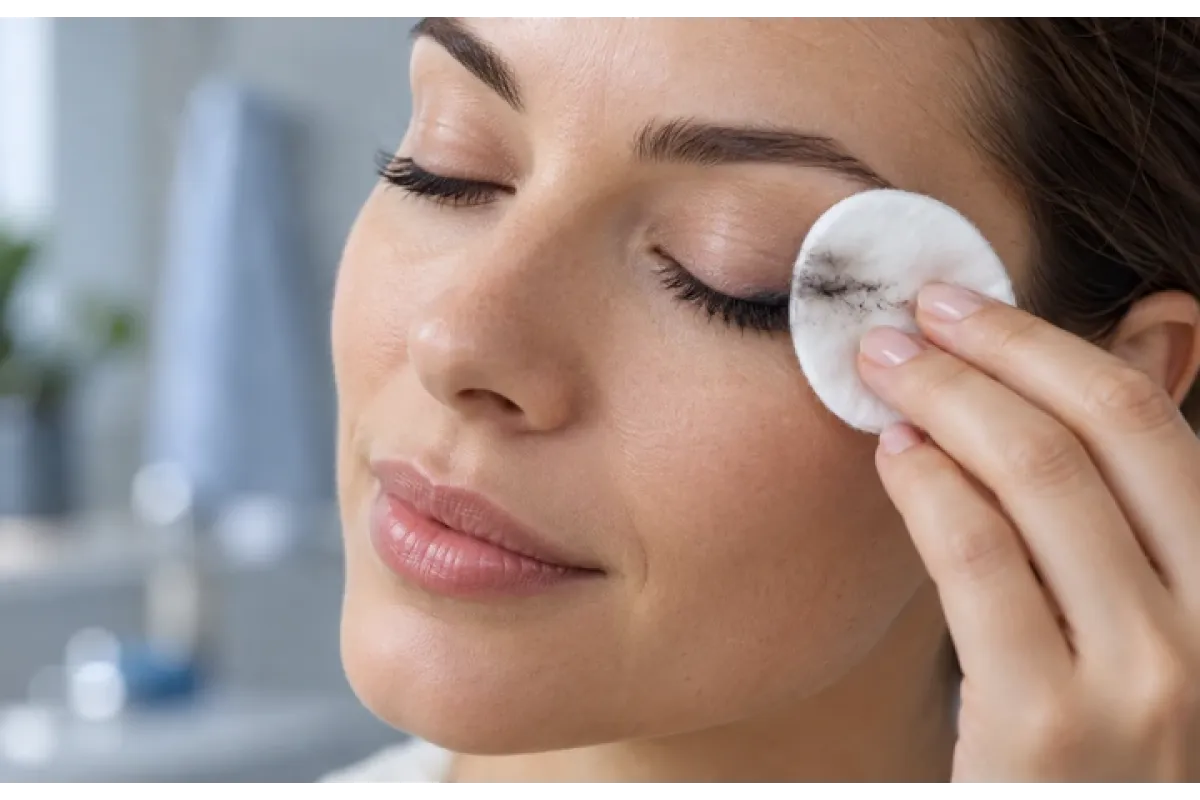
A mascara that stays put all day may need a different remover from your light facial foundation. If a dark trace remains beneath your eyes after washing, it is tempting to keep moving the cotton pad more firmly. First check whether the remover suits your makeup and whether you are using the product as intended.
Choosing a separate eye makeup remover becomes easier with two questions: what do you need to remove, and how do you prefer to do it? This guide compares liquid and bi-phase formats, looks at Matis, Gatineau and Keenwell options at Wellness Expert and sets out a clear evening sequence. Makeup removal should fit into everyday care without turning into a lengthy test of your mascara's staying power.
1. Start with your mascara and eyeliner instructions
Ordinary everyday makeup
If you wear a little eyeshadow, ordinary mascara and pencil, look for a product specifically intended to remove eye makeup. You do not have to begin with the richest format. Consider the texture and application method you prefer: do you like a cotton pad, is water required and must the bottle be shaken? Even simple makeup should be matched to the stated capabilities of the individual remover.
Waterproof mascara or long-wear eyeliner
Here, an explicit waterproof-makeup claim matters. “Gentle” and “cleansing” alone do not answer that question. A bi-phase product may be suitable when its purpose confirms it. Choose according to the description rather than relying only on the visible separation into two layers.
Mascara with its own removal method
Some formulas have specific directions, such as removal with warm water. Start with the instructions for your own mascara in that case. Do not automatically add another product simply because the mascara wears well. If you also use long-wear eyeliner and eyeshadow, those may need another method: assess the whole eye look, not just the product on your lashes.
2. Four formats: what to compare before buying
A texture name helps you picture application but does not describe every purpose. A liquid lotion is not necessarily weaker than a thicker gel, and a facial micellar water is not necessarily suitable for eyes. Compare the manufacturer's specific directions.
| Format | Why consider it? | What to check |
|---|---|---|
| Bi-phase remover | For long-wear makeup when explicitly stated | Shaking, eye-area use and whether rinsing is required |
| Liquid eye lotion | When you prefer a familiar cotton-pad method | Suitability for your mascara and the stated finish |
| Eye makeup remover gel | When you like this dedicated product format | Application, removal and use around eyelids |
| Micellar product intended for eyes | When you want one product for several areas | Eye-area, waterproof-makeup and rinsing instructions |
Size matters too. A larger bottle can be convenient for regular use, but packaging size says nothing about effectiveness. Before your first purchase, consider whether you will use the format often enough and whether it fits conveniently beside your other skincare.
3. What should be clear from the label?
FDA advises using around the eyes only cosmetics intended for that area. Look for purpose first, then texture and comfort claims. Do not extend “for the face” to eyelids and lashes on your own assumption.
Next, check three practical points: whether to shake the bottle, how to apply the product and whether it needs rinsing. These are useful instructions, not small print to skip. Even similar-looking removers can differ on each point. The directions for your previous bottle do not replace the new ones.
If you wear contact lenses, look for a relevant statement and follow your lens-care advice. For lash extensions, check the remover against your technician's recommendations for your particular system. A sensitive-eye claim, plant extracts or a familiar brand cannot guarantee individual tolerance.
4. Three examples at Wellness Expert
Matis Réponse Regard Biphase Eyes, 150 ml illustrates a bi-phase format. Matis specifies waterproof-makeup use: shake, apply with a pad; no rinsing is required. Consider it when that task and method suit you. Check your current pack's directions before use.
Gatineau Floracil Gentle Eye Makeup Remover, 500 ml offers a liquid texture. The brand describes a non-oily product and suggests resting a soaked pad before gently removing makeup. It may interest people who enjoy that format. Match the generous size to your frequency of use.
Keenwell Premier Eye Make-up Remover Gel, 250 ml is another dedicated shop option. Keenwell's official documentation states eye and lip use. Take that as a starting point for comparison and check application against the current label. You do not need all three products for one task.
These examples help compare formats rather than create a compulsory collection. Assessing one remover on your ordinary makeup is more useful than introducing several new products together. Product names and brand instructions are not a promise that nobody will experience stinging.
5. An unhurried evening sequence
- Prepare the product and clean materials. Read the instructions and sit or stand comfortably. Removal is easier to organise when everything is nearby.
- Prepare the formula as directed. If shaking is specified, do it before applying. Put the recommended amount onto a suitable pad or use the stated alternative method.
- Remove makeup from closed eyelids as instructed. If resting a pad first is part of the method, do not replace it with immediate rubbing. Do not assign every product the same contact time.
- Finish using the stated method. Check whether rinsing is required. Look for remaining makeup before proceeding to the next step.
If the result disappoints, first check suitability for your mascara, product preparation and the amount used. Increasing pressure without those checks tells you little. On the next occasion, adjust one clear factor so you can assess its effect.
6. Combining eye makeup removal with facial cleansing
The American Academy of Dermatology recommends removing makeup before bed and cleansing gently without scrubbing. Continue your usual skincare while following the directions of the products you used.
A dedicated eye remover and facial washing address different parts of your evening care. Do not apply a facial cleansing gel to eyelids if its instructions say to avoid that area. Our guide to gel, cleansing milk and micellar water covers general cleansing choices. Using a separate eye remover does not itself establish a compulsory number of washes for the whole face.
Eye cream is selected for subsequent skincare, rather than wiping off leftover mascara. Complete cleansing as your chosen products require first. If discomfort follows, review the remover and its use before adding more skincare layers.
7. How to assess whether it suits you
Compare similar makeup: ordinary mascara and waterproof eyeliner create different conditions. Note what you wore and whether you followed the instructions. This makes it easier to decide whether another format is needed or whether to clarify your current application method.
- Removal: does your usual makeup come off with the intended use?
- Feel: are texture and finish comfortable, without irritation?
- Practicality: do the dispenser, pad, storage and application time work for you?
Stop use if irritation occurs; consult a doctor if it persists. Do not interpret stinging as a sign of greater effectiveness. The amount of colour on a pad does not measure “cleansing depth” either: it is primarily the makeup you have removed.
8. What to check before ordering
- Your makeup: ordinary, waterproof or with special removal instructions.
- Eye-area purpose: explicitly stated, with clear restrictions.
- Application method: bottle preparation, application and rinsing.
- Suitable size: packaging matched to your use and storage conditions.
Our article about cosmetic shelf life and PAO explains time after opening. Start with one remover suited to your makeup and habits. A clear purpose and method make evening care easier to organise and your purchase easier to evaluate.
Mila Serani, Skincare & Beauty Editor at Wellness Expert