
Gel, Emulsion, Cream or Balm? How to Choose the Right Moisturiser for Your Skin
Sunday 27th September 2026
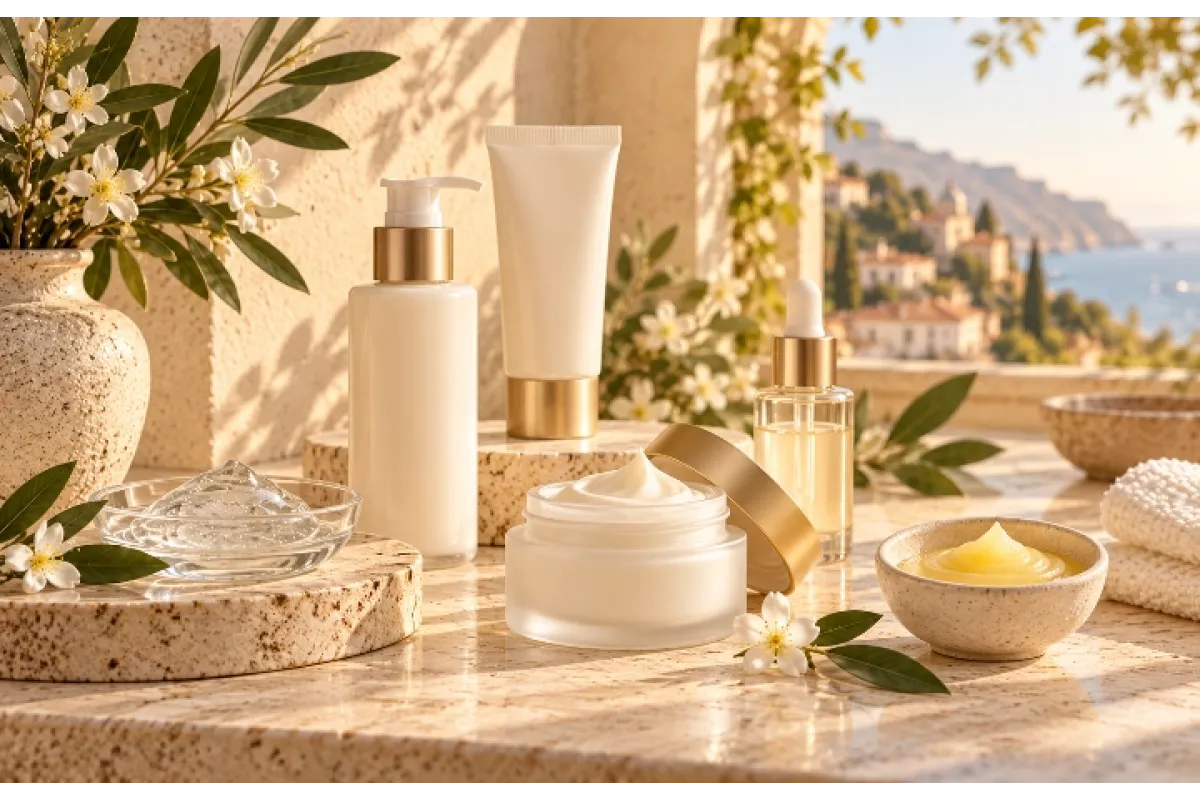
Choosing a moisturiser is less about finding the “richest” or most expensive jar and more about matching texture to what your skin actually needs. A gel, emulsion, cream and balm can all hydrate well, but they differ in how much water, emollience and surface protection they usually provide. The best starting point is not age or a marketing label: it is how your skin behaves after cleansing, during the day and in the climate you live in.
By Mila Serani, Skincare & Beauty Editor at Wellness Expert
What a moisturiser actually does
A good moisturiser supports the water-and-lipid balance of the outer skin layers. It helps the stratum corneum stay flexible, reduces tightness and limits excessive water loss from the surface. Most formulas combine several groups of ingredients:
- Humectants such as glycerin, hyaluronic acid and urea attract and hold water.
- Emollients such as squalane, plant oils, esters and fatty alcohols soften the surface.
- Occlusive ingredients such as waxes, silicones and other film-formers help slow evaporation.
- Barrier lipids, including ceramides, cholesterol and fatty acids, can be especially useful when dryness or barrier stress is part of the problem.
Texture describes how these elements are delivered. It does not tell you, by itself, whether a product is “better”.
Gel, gel-cream, emulsion, cream or balm?
Gel: light and water-rich
Gels tend to feel weightless, spread quickly and leave little residue. They often suit oily or combination skin, humid weather and people who dislike a creamy finish. A very light gel, however, may not provide enough emollience for dry or strongly dehydrated skin. Keenwell Biopure Matte Moisturising Fluid Day is a useful example: it is described in the Wellness Expert catalogue as an ultra-fresh gel for combination and oily skin with a matte finish.
Gel-cream or aqua-cream: freshness with more comfort
A gel-cream combines the freshness of a gel with more cushioning. It can work particularly well for normal, combination or dehydrated skin and often layers comfortably under makeup and sunscreen. Matis Réponse Preventive Aqua-Cream, a water-based moisturiser with hyaluronic acid, illustrates this hybrid style.
Emulsion or fluid: light creaminess
Emulsions and fluids contain both water and oil phases but are designed to feel lighter than a classic cream. They are practical for normal-to-combination skin and warmer seasons. Ainhoa Hi-Luronic Deep Hydration Emulsion is positioned as a lightweight moisturiser for normal to combination skin.
Classic cream: the versatile middle ground
Modern creams range from light and mattifying to rich and protective. Maria Galland 263 HYDRA’GLOBAL Mattifying Cream is a good reminder that “cream” does not automatically mean greasy: it is designed to combine hydration with a more matte finish for oily skin.
Rich cream or balm: more lipids and protection
Rich creams and balms generally provide more emollience and surface protection. They tend to suit dry skin, cold or windy weather and periods when the barrier feels uncomfortable. Skeyndor Aquatherm Intensive Cream Normal To Dry Skin and Anna Lotan Liquid Gold Golden Night Cream are examples of richer textures aimed at dry or sensitive/mature skin needs.
“Richer” is not synonymous with “more anti-ageing”. Mature skin can still be combination or oily, and younger skin can be very dry. Texture should follow the current skin condition, not the birth date.
Choose according to what your skin does
| What you notice | Good starting texture | Ingredients worth looking for |
|---|---|---|
| Shine through the T-zone, comfortable cheeks | Gel, fluid or light cream | Glycerin, hyaluronic acid, niacinamide, light emollients |
| Oily but tight after cleansing | Gel-cream or emulsion | Humectants plus barrier-supporting lipids |
| Dry, rough, flaky or tight skin | Cream, rich cream or balm | Ceramides, cholesterol, fatty acids, squalane, shea butter |
| Sensitive or easily reactive skin | Simple emulsion or cream chosen by dryness level | Glycerin, panthenol, bisabolol, ceramides |
| Mature skin with reduced comfort | Cream or rich cream, depending on sebum and climate | Barrier lipids, humectants; targeted actives can be layered separately |
Oily skin can still be dehydrated
Shine is not proof that the skin has “too much moisture”. Sebum is oil; hydration refers mainly to water. Skin can therefore be oily and dehydrated at the same time. If it becomes shiny but also feels tight after cleansing, looks crinkly by the afternoon or becomes easily irritated by acids, stripping it further may make the routine less comfortable.
A light gel, fluid or mattifying cream is usually the most practical starting point. Keenwell Biopure Matte Moisturising Fluid Day, Skeyndor Aquatherm Cream Normal To Oily Skin and Maria Galland 263 HYDRA’GLOBAL Mattifying Cream show three ways to combine hydration with a lighter or more matte sensory profile.
Dry skin usually needs more than water alone
Dry skin often benefits from both humectants and lipids. A watery gel may feel pleasant immediately but still leave the face tight later. This is where ceramides, cholesterol, fatty acids, squalane, shea butter and other emollients can complement ingredients such as glycerin or hyaluronic acid.
If dryness comes with sensitivity, a straightforward soothing cream can be more useful than a formula crowded with actives. Skeyndor Aquatherm Intensive Cream Normal To Dry Skin, for example, combines a richer texture with ceramides, shea butter, panthenol and hyaluronic acid according to its catalogue description.
Dehydrated skin is a condition, not a skin type
Dehydration can affect dry, normal, combination or oily skin. Air conditioning, indoor heating, cold weather, over-cleansing and frequent exfoliation can all contribute. Look first for humectants, then make sure the moisturiser has enough emollience to keep the result comfortable.
Ainhoa Hi-Luronic Deep Hydration Emulsion and Matis Réponse Preventive Aqua-Cream represent lighter hydration-focused textures, while Histomer HYdraX4 HY-Perfection Hydrating Cream is positioned for combination skin with both dehydrated/dry and oilier areas and includes a ceramide-focused barrier concept.
Sensitive skin: simplify before you intensify
When skin is burning, stinging, red or suddenly reacting to products it previously tolerated, adding more actives is rarely the first move. Keep cleansing gentle, reduce unnecessary exfoliation and choose a moisturiser with a texture comfortable enough to use consistently. A lighter sensitive-skin cream can suit combination skin; a richer one can be more appropriate when sensitivity comes with dryness.
If irritation is persistent, painful, associated with a rash, or you suspect eczema, rosacea or another skin condition, cosmetic trial-and-error is not a substitute for professional medical advice.
Do you need a different moisturiser for day and night?
Not necessarily. Day and night creams often differ in texture, finish or actives, but the skin does not require two jars simply because the clock changes. If one moisturiser keeps your skin comfortable morning and evening, using it twice a day can be perfectly reasonable.
There are practical reasons to separate them: a lighter morning texture may sit better under makeup and sunscreen, while dry skin may appreciate a richer night cream. When sunscreen is a separate product, apply it as the final skincare step in the morning. Moisturiser does not replace broad-spectrum sun protection unless the product is specifically formulated and labelled to provide it.
Adjust texture with the season
A fluid that feels perfect in July can become insufficient when temperatures fall and indoor heating starts. A winter balm may feel too occlusive in humid summer weather. Rather than changing the whole routine, adjust one variable:
- Warm, humid weather: move one step lighter — from cream to emulsion or gel-cream.
- Cold, dry or windy weather: move one step richer — from fluid to cream or from cream to a richer night formula.
- Periods of intensive actives: prioritise comfort and barrier support instead of adding more exfoliation.
A practical 30-second decision rule
- Shiny but comfortable: start with a gel or fluid.
- Shiny and tight: try a gel-cream or light emulsion rather than skipping moisturiser.
- Dry by midday: move to a cream with more emollients.
- Flaky, rough or uncomfortable in cold weather: consider a rich cream or balm, especially at night.
- Sensitive: choose the simplest well-tolerated texture first; add targeted actives only after comfort is stable.
Examples currently represented at Wellness Expert
- Keenwell Biopure Matte Moisturising Fluid Day — gel-fluid direction for combination and oily skin.
- Matis Réponse Preventive Aqua-Cream — water-based aqua-cream focused on hydration.
- Ainhoa Hi-Luronic Deep Hydration Emulsion — light emulsion for normal to combination skin.
- Maria Galland 263 HYDRA’GLOBAL Mattifying Cream — hydration with a mattifying profile for oily skin.
- Skeyndor Aquatherm Cream Normal To Oily Skin / Intensive Cream Normal To Dry Skin — two texture directions within a sensitive-skin range.
- Histomer HYdraX4 HY-Perfection Hydrating Cream — hydration and barrier support for combination skin with mixed dry and oily areas.
- Anna Lotan Liquid Gold Golden Night Cream — richer evening texture for dry and mature skin comfort.
Product availability and formulas can change, so check the current product page, ingredient list and manufacturer instructions before purchase.
The bottom line
You do not need the richest cream you can tolerate; you need the lightest texture that still keeps your skin comfortable for long enough. Gels and fluids excel when weightlessness matters. Emulsions and gel-creams are flexible middle options. Classic creams provide more cushion, while rich creams and balms make sense when dryness, climate or barrier stress calls for more lipid support.
Start with your skin’s present behaviour, not with age, price or a trend. Then adjust one step lighter or richer until the finish feels right. That simple approach is often more useful than chasing a single “best moisturiser” for everyone.