
Body skin feels tight after a shower: choosing a cleanser and moisturiser without a sticky finish
Thursday 01st October 2026
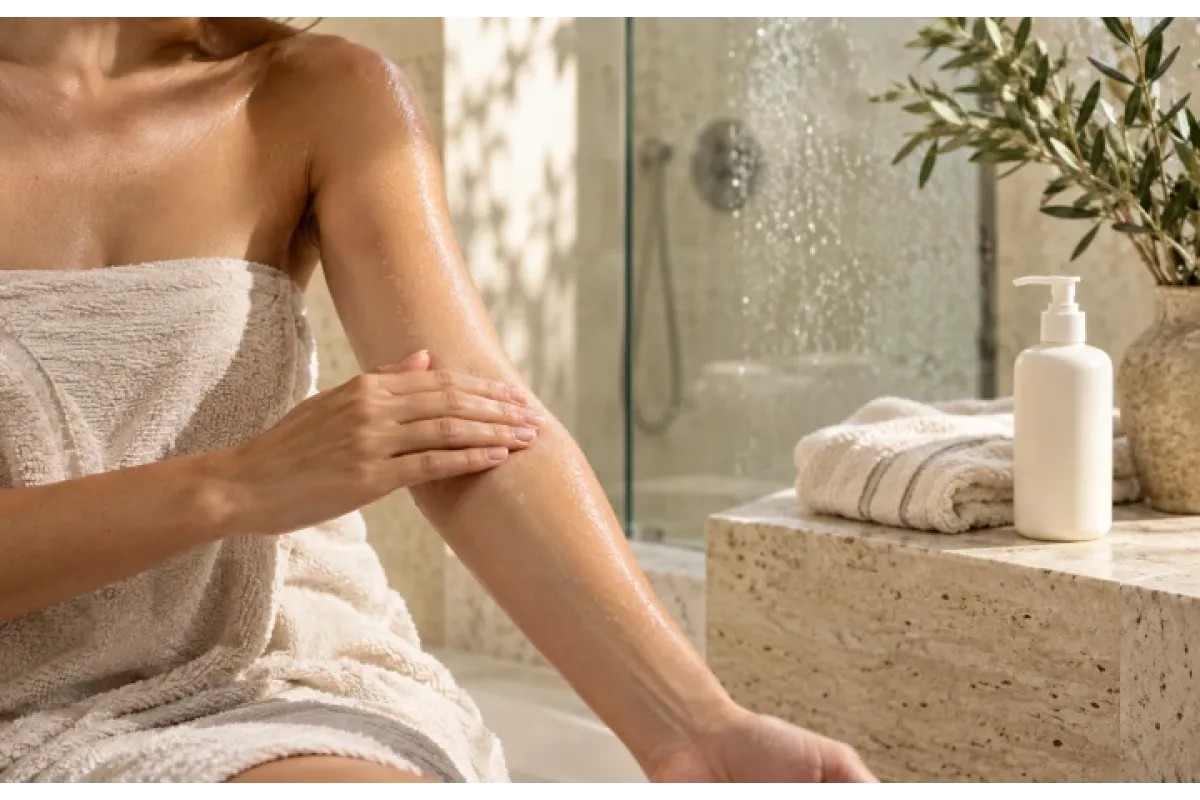
A shower should leave you feeling clean and comfortable. Yet for some people, body skin starts to feel tight only minutes later. Reaching for the richest cream can create another problem: a tacky layer beneath clothes. The answer may begin before you open a new jar. Water temperature, time spent showering, cleansing and the moment you moisturise all matter. Here is a straightforward routine with room for personal preference.
By Mila Serani, Skincare & Beauty Editor at Wellness Expert
Why does skin feel tight after a shower?
Water temperature and time make a difference
A long, hot shower may increase the feeling of dryness, especially when indoor air is dry too. Try comfortably warm rather than hot water and shorten your shower if tightness is familiar. The American Academy of Dermatology (AAD) suggests around five to ten minutes for people with dry skin, gently patting the skin afterwards and moisturising promptly. It is a helpful guide, not a reason to watch the clock anxiously. Read the AAD's advice on dry skin.
Notice how your skin feels when you change just these habits. If it becomes more comfortable before you replace any cosmetics, a richer cream may be unnecessary. There is no need to compromise hygiene or tolerate cold water. The aim is a pleasant shower that does not leave your skin feeling stripped.
More cleansing than your skin needs
A body wash should remove sweat, dirt and product residue, without leaving a “squeaky clean” feeling. If your usual gel makes your whole body feel tight, consider a gentler wash and the amount you use. Areas needing a thorough cleanse and areas without obvious soil do not always need the same amount of lather. Rinse carefully, skip vigorous rubbing with a rough washcloth and pay attention to fragrance if your skin reacts to it.
“Soap-free” can be a useful signpost, but the label alone cannot promise that a formula will suit everyone. The entire formula, the directions and your skin's response over several uses matter. Stop using a product if it causes burning or persistent irritation.
Start with three simple shower habits
Moisturise while skin is still slightly damp
The sequence is easy: choose warm water and a reasonable shower length; cleanse where needed; rinse well; then pat rather than rub with a towel. Apply your moisturiser while skin is still slightly damp. The AAD recommends this timing for dry skin. You do not need to trap visible droplets under a thick layer of cream; a comfortable hint of moisture is enough.
If mornings are rushed, keep your lotion or cream where you see it after showering. Begin with the areas that tend to feel tight, such as shins, arms or elbows. You need not use an identical amount everywhere. A convenient pump bottle may serve you better than an elaborate ritual you rarely have time to repeat.
What to use afterwards: a quick guide
| Your situation | A starting point | What to notice |
|---|---|---|
| Mild dryness; you want to dress quickly | Body lotion or milk | Comfort after a few minutes and ease of application |
| Rough shins or elbows; more noticeable dryness | Body cream, used more generously on dry patches | Comfort where needed without coating the whole body |
| You enjoy a silky glide and satin finish | Body oil, as your chosen texture or an addition | Fragrance, directions and feel beneath clothing |
| Skin reacts easily or feels itchy | Gentle cleansing and a fragrance-free moisturiser | Your skin's response; seek medical advice if symptoms continue |
This table helps you choose where to start. It is not a shopping list. One product you enjoy applying after a shower can be more useful than several jars you neglect. If a lotion works for most of your body but your elbows stay dry, add cream just to those areas.
Lotion, body milk or cream: choose by feel
A lighter texture can still feel comfortable
Lotions and body milks are often easy to spread over large areas. Creams generally feel richer. The texture name is only a guide: two products called “lotion” can behave differently. The AAD explains that creams are thicker than lotions and may be more suitable for drier skin. Whatever you choose should also fit your daily routine.
Judge a product beyond its first few seconds. Does tightness return later? Does the finish bother you under clothes? Would you willingly apply it tomorrow? If cream feels too rich all over, reserve it for dry patches. If a light milk is not enough on your shins, try a richer texture there. Autumn does not oblige you to use the thickest product on the shelf.
Where does body oil fit?
A pleasing finish is a valid reason to choose it
Some people enjoy the glide of an oil, the soft feel and the satin sheen. It is a legitimate body-care texture, but the word “oil” does not mean it will be best for every kind of dryness. Check the formula and instructions: some oils have a noticeable scent, which may not suit skin sensitive to fragrance. For distinctly dry skin, the AAD generally points to a cream or ointment texture that helps retain moisture. Oil need not be a compulsory extra step.
If you would like to try an oil, use a small amount according to its directions and check the finish before dressing. Avoid introducing a new wash, cream and oil all at once; otherwise it becomes difficult to tell which change helped and which caused discomfort.
Do you need a scrub when skin feels tight?
Exfoliation does not solve post-shower dryness. If your skin feels tight or irritated, first revisit water temperature, use a gentle cleanser and establish a moisturising habit. A rough washcloth and frequent friction can make skin feel less comfortable. If skin is calm and you want a smoother cosmetic finish, follow the instructions for a body exfoliant and avoid broken or inflamed areas.
Do not judge a routine solely by an instant “squeaky clean” feel or a few minutes of smoothness after scrubbing. A more useful question is how your skin feels an hour later and the next day. If every shower ends in tightness, introducing an active exfoliant before improving the basics is unlikely to be your best first step.
Five examples from Wellness Expert
These products illustrate different needs and textures; they are not a set you need to buy together. Check the current product page, ingredients and instructions before ordering.
- SeSDerma Sespanthenol Soap-Free Foamy Cream 300ml is a soap-free foaming cleanser for dry, sensitive face and body skin. Rinse it off with water.
- Darphin Silky Moisturizing Lotion 200ml is a light body lotion; the product page suggests morning and evening use, including elbows and knees.
- SeSDerma Atopises Body Milk 400ml is a daily body milk for sensitive and atopy-prone skin. It is a cosmetic, not a medical treatment.
- Matis Réponse Body Nourishing Comforting Cream 200ml is a richer cream for dry skin, focused on softening and comfort.
- Maria Galland 934 SOURCE D’ÉNERGIE SUBLIME BLISS BODY OIL 100ml offers a silky, scented finish for people who enjoy that sensory format.
Your most useful first purchase depends on what you already own. If your current wash feels comfortable, begin with a suitable moisturiser. If tightness starts before you leave the shower, look at your cleanser and water temperature first.
An everyday routine, and when to seek advice
- Choose warm water and a sensible shower length.
- Use cleanser where needed and rinse it off thoroughly.
- Pat your skin gently with a towel.
- Apply one comfortable moisturiser to slightly damp skin, paying attention to dry areas.
Give the routine several ordinary days and assess how practical it feels, rather than relying on a promise on the packaging. If marked itching, redness, painful cracks or a rash persists, see a dermatologist. The AAD recommends investigating persistent itch and skin changes. Body care can support comfort; it cannot replace a medical assessment.